Trapping
- Rodents chew wires, damage infrastructure, and have the potential to spread pathogens such as hantavirus, plague, and leptospirosis. Rats have sneaky ways to enter your home - they can even jump to your roof from nearby palm trees.
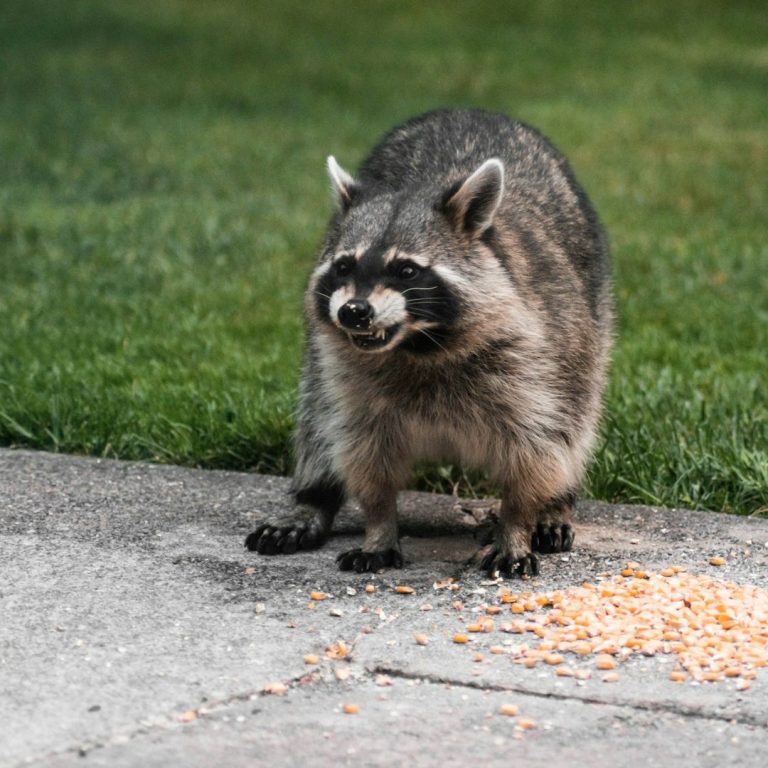
- Raccoons raid trash, tear up attics, and are known to carry rabies and parasites in Florida. They are sneaky night prowlers that can outsmart weak locks, turning your yard or chicken coop into their buffet.
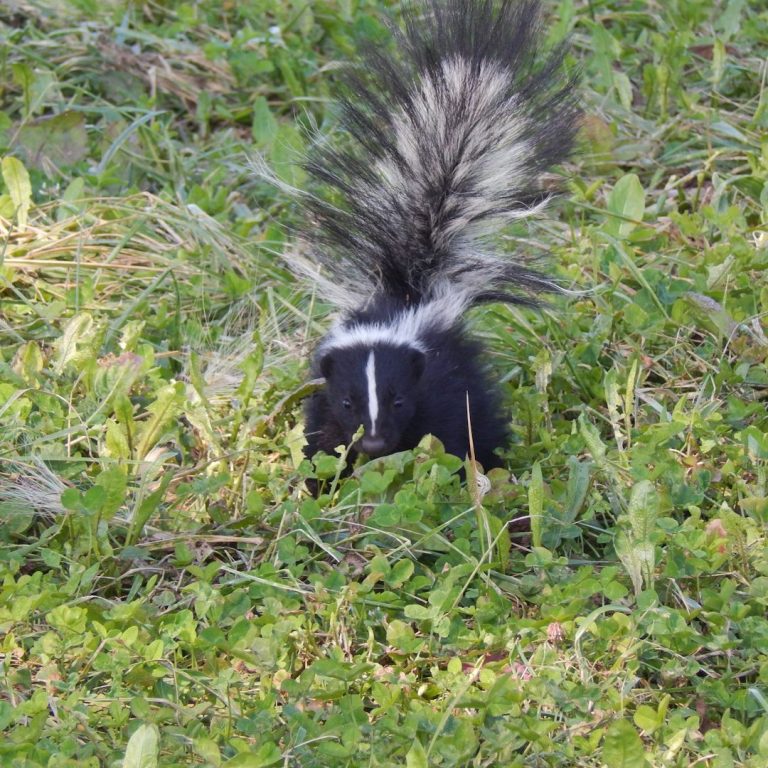
- Skunks can be trouble waiting to happen! They like to dig and spray an awful musk when spooked.
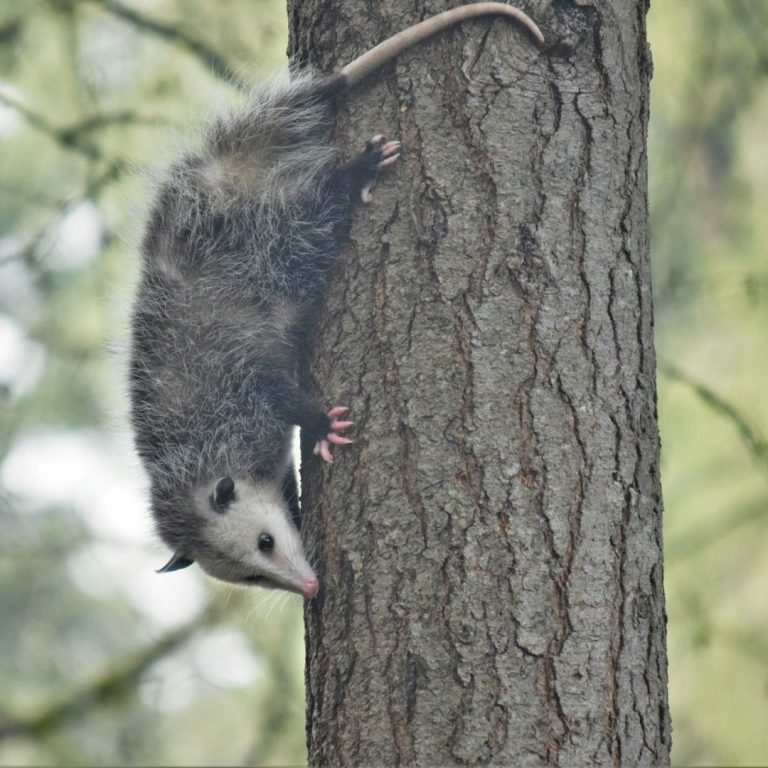
- Opossums' scavenging habits can pass salmonella to pets through contaminated food bowls and water sources.
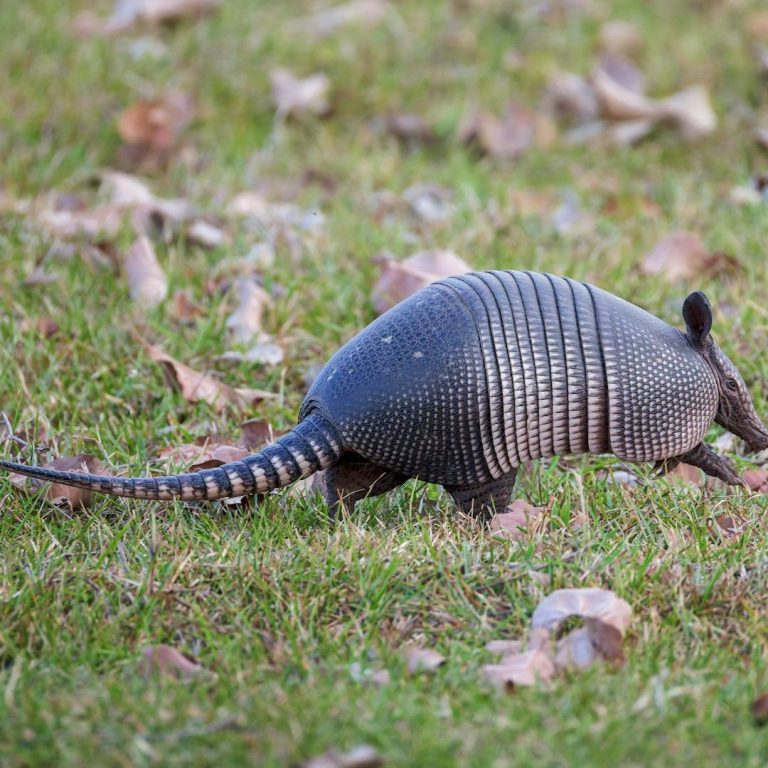
- Armadillos shred yards digging for bugs, burrow under slabs causing structural damage, and can carry leprosy.
- Snakes - Are they Friend or foe? Most of the snakes in Florida are nonvenomous and beneficial to have around, but we do have invasive nonnative pythons wreaking havoc on local wildlife and six venomous snake species.
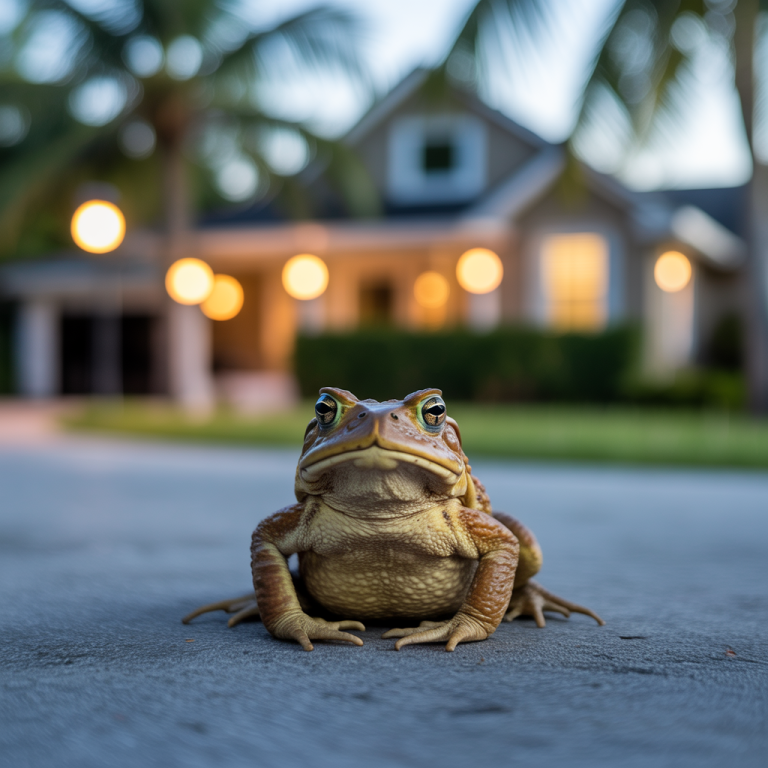
- Cane Toads (Not to be confused with the native Southern Toad, Anaxyrus Terrestris, which is similar in appearance to the untrained eye.) These invasive, nonnative pests are spreading rapidly and harming our local ecosystems. Their toxic secretions pose a serious risk to pets.
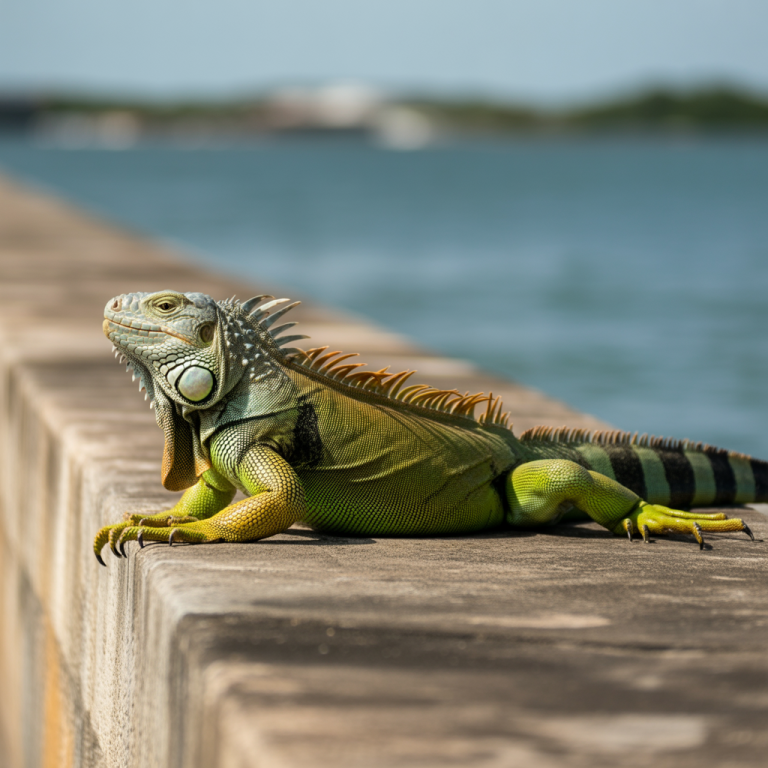
- Green Iguanas are another nonnative invasive species that have moved into Southwest Florida, causing extensive damage to landscape and infrastructure. They carry salmonella that can be spread through bites.
- Tegus are also invasive and nonnative. They are aggressive diggers that devour native wildlife and upset the ecological balance. They can be quite large, up to four feet in length. Tegus carry salmonella which can spread through bites, posing a risk to people and pets.